Halifax
Can't Afford Austerity

Tell Council to Stop the Disastrous Cuts!

HRM is one of the fastest-growing municipalities in Canada, and you can't cut your way to prosperity. The proposed 10.5% tax increase works out to roughly $20 per month for the average household. That's less than a quarter the cost of a monthly transit pass, and it pays for the services that make this city liveable. We need to invest in our future!

Select your district below. We'll open your email client with your councillor and the Mayor already in the To field.

Not sure which district you're in? Look it up here (opens in a new tab)

This Is What Austerity Actually Looks Like

These aren't hypothetical. These are the real service cuts being proposed to HRM councillors. Read the list and ask yourself: is this the city you want to live in?

Eliminate all Sunday and holiday bus service across HRM
Eliminate all transit service after 10:00 PM
Cancel the lowest-performing bus routes
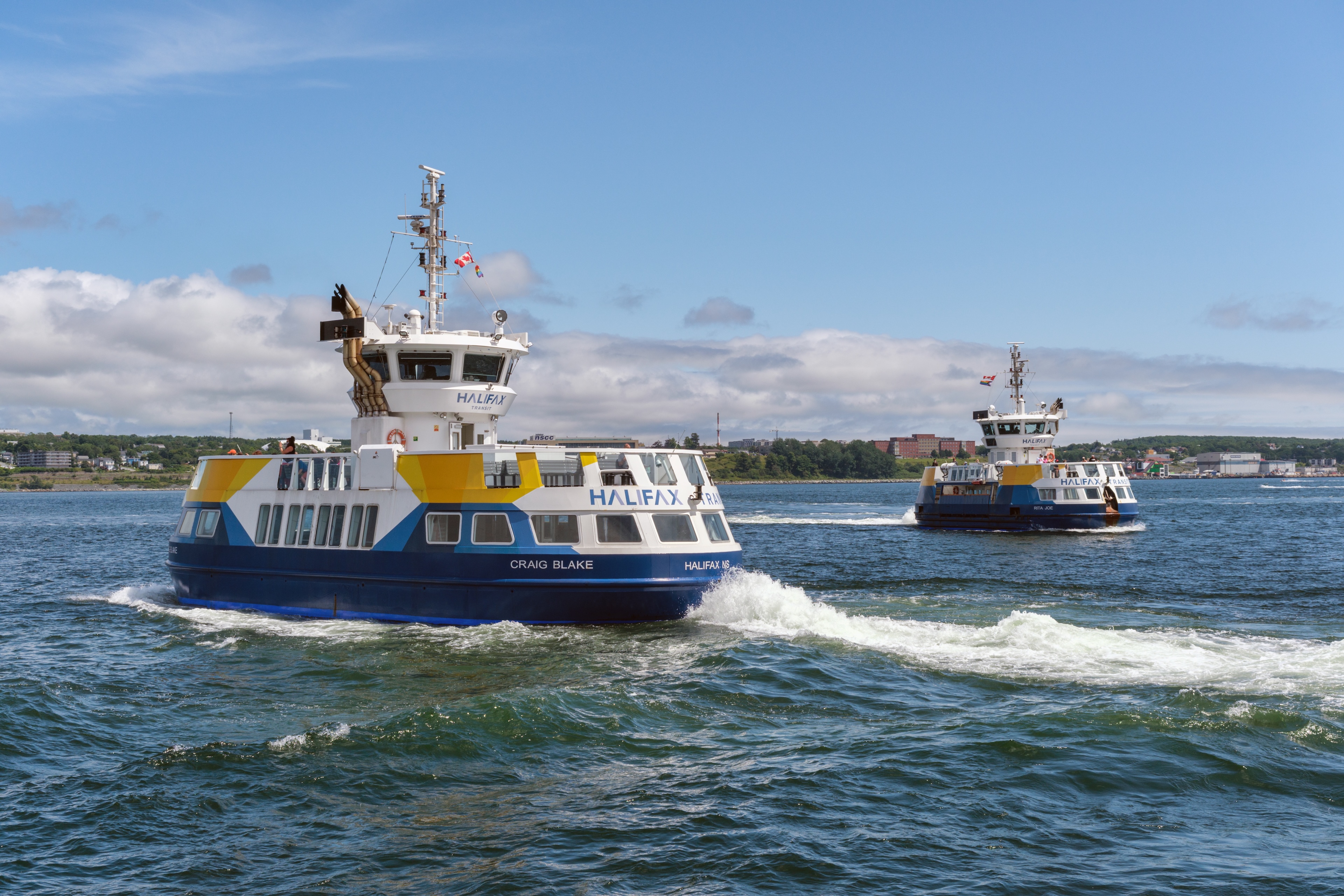
Permanently reduce the Alderney Ferry to 30-minute service
Eliminate sidewalk snow clearing in residential neighbourhoods
Reduce the state of good repair for streets
Double the wait time for clearing bus stops to 48 hours
Cancel the senior snow-clearing program
Eliminate seasonal summer maintenance in Downtown Halifax and Dartmouth
Kill the safe bicycle network
Cancel the Forum reconstruction, leaving the North End without a rink
Eliminate the living wage requirement for HRM contracts
Cut homeless drop-in centre funding by 50%
Defund the Stabilization Centre for people in public intoxication crises
End community food programs serving Mi'kmaw and African Nova Scotian communities
Cut grants to professional arts organizations, community museums, and non-profits by 10%
Raise transit fares by 9%. the second hike in two years
Slash district capital funds by 50%, gutting local community projects
Reduce HalifACT climate resilience funding
Cut the Sackville Community Arena and Discovery Centre contributions
Hike ice rental fees by 11% and raise recreation fees, increasing costs for youth sports

These Programs Make Life More Affordable for Residents

The proposed increase works out to about $20 a month per household. That's the price of keeping buses running on Sundays, clearing snow from sidewalks, funding art and culture, and making our streets safer. The province is already slashing grants to transit, arts, food security, and climate programs. Every service cut today becomes a more expensive emergency tomorrow.

Let Them Know →

HRM Needs More Transit, Not Less

When HRM surveyed residents, the message was clear: we need more buses, not fewer.1 Some routes are seeing 45% ridership increases, and demand is only growing as the population increases.2 Cutting transit in the name of affordability does the opposite: it forces families to spend more of their income on a car. To make matters worse, the province is simultaneously killing the Student Transit Pass program.27

Demand More & Better Transit →
  • 🚌

    Expand Bus Service

    Expanding bus service to meet people's needs would dramatically improve transit availability and only cost the average taxpayer $2.50 a month by 2030.3

  • ⛴️

    Build the Mill Cove Ferry

    A key part of Halifax's Rapid Transit Strategy, the Mill Cove Ferry would get commuters from Bedford to downtown Halifax faster than driving.4 The Bedford Highway is already at capacity, and with no plan or political will for bus or rail rapid transit on that corridor, the ferry is Bedford's best shot at relief.5

  • 💰

    Lower Household Costs

    Owning a car in Canada costs an average of $16,000 a year.6 As the cost of living climbs in HRM, frequent and reliable transit gives families a real alternative, putting thousands of dollars back in their pockets. That's money for savings, housing, and spending at local businesses.

  • 🌎

    Meet Climate Commitments

    In 2019, Halifax declared a climate emergency and committed to reducing emissions. If we're serious about meeting these goals, we must increase transit ridership and get cars off our roads.7

  • 📈

    Support Economic Growth

    Every $1 invested in transit returns $4 in economic benefit, and every million dollars that households shift from car expenses into local spending creates 3 jobs.8

The Safety Net Supports the Most Vulnerable

Halifax is proposing cuts to essential support programs: homeless drop-in centres, crisis stabilization, and community food programs. These services leverage provincial and federal dollars that vanish if municipal funding disappears.26 The provincial government has proposed severe program cuts of their own.27 HRM shouldn't kick vulnerable communties when they're down.

Defend Social Programs →
🏠

Drop-in Centres for Homeless Support

Drop-in centre funding for people experiencing homelessness would be cut by 50%. In the midst of a housing crisis, halving the budget means more of our neighbours in the street. 26

🌿

Addressing Food Insecurity in HRM

Cutting the JustFOOD program would eliminate food coordinators serving Mi'kmaw, African Nova Scotian, and broader communities. Creating food insecurity in HRM is not responsbile governance. 26

🌡️

HRM Needs to Be Prepared for the Climate Crisis

The mayor has repeatedly asked for cuts to the HalifACT climate preparedness program. After the 2023 Tantallon wildfire, repeated floods, and increasingly severe hurricanes, cutting preparedness saves pennies while leaving families exposed and unprepared. 26

2025 Was the Deadliest Year on HRM Roads

Every death on an HRM road is a policy decision. It doesn't need to be like this.

Demand Safer Streets →
21

Deaths in 2025

The deadliest year on record, up from 11 in 2024 and 6 in 2023.19 A 21-year-old Dalhousie student killed in a crosswalk.20 A 3-year-old struck on a residential street.21 These are not statistics. They are people who deserved safer streets.

0

The Vision Zero Target

HRM adopted a Vision Zero framework, aiming for zero road traffic fatalities by 2038, but we're trending in the wrong direction. 22 You don't get there by cutting the road safety budget. You get there by building safe crosswalks, protected bike lanes, and slower residential streets.

📉

Better Is Possible

Helsinki just went a full year without a single traffic death.23 Hoboken hasn't had one in more than nine consecutive years.24 Oslo eliminated all pedestrian and cyclist fatalities in 2019.25 They did it with infrastructure and political will, not luck.

🚧

Infrastructure Is the Answer

Enforcement & educations campaigns have limited impact, and don't last forever. Infrastructure is permanent. Safer crosswalks, roundabouts, narrowed roads, and protected bike lanes can save lives every single day without relying on anyone's good behaviour.

Build the Bike Network. Finish What We Started.

Halifax promised a connected cycling grid by 2019, then pushed it to 2022, and now 2028. Every delay costs more money and more injuries: cycling collisions are rising year over year, and police data captures only a fraction of actual injuries.28 Bike ridership in HRM continues to rise as we build, and is a real solution to traffic in the core.30

Demand A Completed Network →
🚴

Separated Lanes Work

Building separated, protected bike lanes makes everyone safer: cyclists, pedestrians, and drivers 10. Traffic accidents dropped 25% after the South Park bike lanes were installed!

🛡️

Paint Is Not Protection

A 13-year study of 17,000 traffic fatalities found that painted bike lanes provide no measurable safety improvement. Only physically separated and protected lanes reduce deaths and serious injuries. Cities with protected networks saw 44% fewer fatalities and 50% fewer serious injuries.11 Among people who want to cycle more than they currently do, fear of car traffic is the number one reason they don't.9

🧱

Half Complete

The bike network is only 60% finished, currently made up of several disconnected pieces. Bike lanes that force people back into traffic don't inspire more people to bike.

🚸

Better for Everyone

Every cyclist is one fewer car you're stuck behind. Streets designed for cycling reduce congestion for drivers and increase foot traffic at nearby local businesses.1213

A City Without Culture Is Just a Collection of Buildings

HRM spends roughly $1.16 per capita on the arts — the national median is over $7.29 The proposed cuts target professional arts grants, local museums, non-profit tax relief, and recreation fees, hitting the organizations and programs that make this city worth living in. At the provincial level, cuts are targeting many of the same programs and groups.27 If both levels cut at once, there is nowhere left to turn, and many organizations will shut down.

Protect Arts & Culture →
🎭

Arts Grants Already Stretched

The Professional Arts Grants program already funds less than 40% of eligible demand. A cut would reduce project grants for individual artists who are already straining.26

🏛️

Non-Profits Rely on Tax Relief

Non-Profit Tax Relief supports 870 properties across the HRM, from cultural organizations & art groups to affordable housing co-ops. The proposed change would eliminate relief for community benefit organizations entirely, leaving many of these groups unable to make ends meet. 26

⛸️

Increased Recreation Costs for Families

Ice rental fees are proposed to increase 11%, with recreation going up as well. That means higher registration costs for hockey and other activities, hitting families partiticpating our national sport.26

Community Hubs Are Not Optional

The Halifax Forum has served the Peninsula's 100,000 residents for generations as a place to skate, gather, and connect.14 After four consecutive councils and more than a decade of planning, the reconstruction was finally moving forward. Now the Mayor wants to hit pause. Again.15

Defend the Forum →
🏛️

Third Spaces Matter

Haligonians need places to gather that don't require them to spend money. The Forum is where our kids learn to skate, where seniors stay active, where local events find their space. It is important to the entire community of the North End.

🏗️

A Decade of Planning

This project has been studied, debated, and approved by four consecutive councils.16 The design is done, and the community has been consulted. Hitting pause now doesn't save money, it just restarts the clock and costs us more.

⚠️

The Building Is Failing

The Forum is nearly a century old. The roof is near collapse and there are severe structural issues. 14 This isn't a renovation we can put off any longer.

💸

Delay Costs More

Construction costs in Canada are rising roughly 4% a year.17 The Forum's budget has already jumped from $81 million to $126 million.18 Every year of delay adds millions more. Waiting is the most expensive option available.

Sources

  1. HRM 2026-30 Strategic Plan Online Survey Results (opens in a new tab)
  2. Halifax Transit Q1 2025-26 Performance Measures Report (opens in a new tab)
  3. Transit Standing Committee Report, Feb. 2026 (p. 11) (opens in a new tab)
  4. Halifax Rapid Transit Strategy (opens in a new tab)
  5. Regional Council: Mill Cove Ferry Terminal Presentation (opens in a new tab)
  6. RateHub: What Is the Total Cost of Owning a Car? (opens in a new tab)
  7. HaliFACT: Acting on Climate Together (opens in a new tab)
  8. CREDBC: How Transit Impacts the Economy (opens in a new tab)
  9. Active Travel Studies: HRM Cycling Injury Data (opens in a new tab)
  10. Streetsblog: Separated Bike Lanes Means Safer Streets (opens in a new tab)
  11. ScienceDirect: Bike Lane Infrastructure and Safety Outcomes (opens in a new tab)
  12. Journal of Planning Education and Research: Bike Lanes and Economic Activity (opens in a new tab)
  13. Business Insider: Bike Lanes Are Good for Business (opens in a new tab)
  14. HRM: Halifax Forum Building Analysis (opens in a new tab)
  15. CBC News: Halifax's Mayor Wants to Scrap the Forum Redevelopment (opens in a new tab)
  16. Global News: $110M Halifax Forum Redevelopment Moves Forward (opens in a new tab)
  17. Turner & Townsend: Canadian Construction Cost Escalation Forecast (opens in a new tab)
  18. Halifax Examiner: Forum Budget Increases to $126 Million (opens in a new tab)
  19. CBC News: Halifax Sees Major Jump in Road Deaths in 2025 (opens in a new tab)
  20. CBC News: Man Sentenced in Fatal Hit-and-Run of Dalhousie Student (opens in a new tab)
  21. Global News: 3-Year-Old Halifax Boy Dies After Being Hit by Vehicle (opens in a new tab)
  22. Halifax Examiner: Halifax Aiming for Zero Fatalities by 2038 (opens in a new tab)
  23. EU Urban Mobility Observatory: Helsinki Records Zero Road Deaths (opens in a new tab)
  24. City of Hoboken: Nine Consecutive Years Without a Traffic Death (opens in a new tab)
  25. TheCityFix: How Oslo Achieved Zero Pedestrian and Bicycle Fatalities (opens in a new tab)
  26. HRM 2026/27 Budget Adjustment List Recommendation Report (opens in a new tab)
  27. Province of Nova Scotia: Grant Reductions by Department, Fiscal Year 2026-27 (opens in a new tab)
  28. Halifax Examiner: NS Physicians Advocate for Bike Lanes and Active Transportation Infrastructure (opens in a new tab)
  29. The Coast: Halifax Might Be About to Become One of Canada's Worst-Funded Cities for the Arts (opens in a new tab)
  30. Sam Austin: E-News October 2025 — HRM Bike Counter Data (opens in a new tab)